
Finland Utilizes New AI Satellite to Monitor Toxic Algae from Space
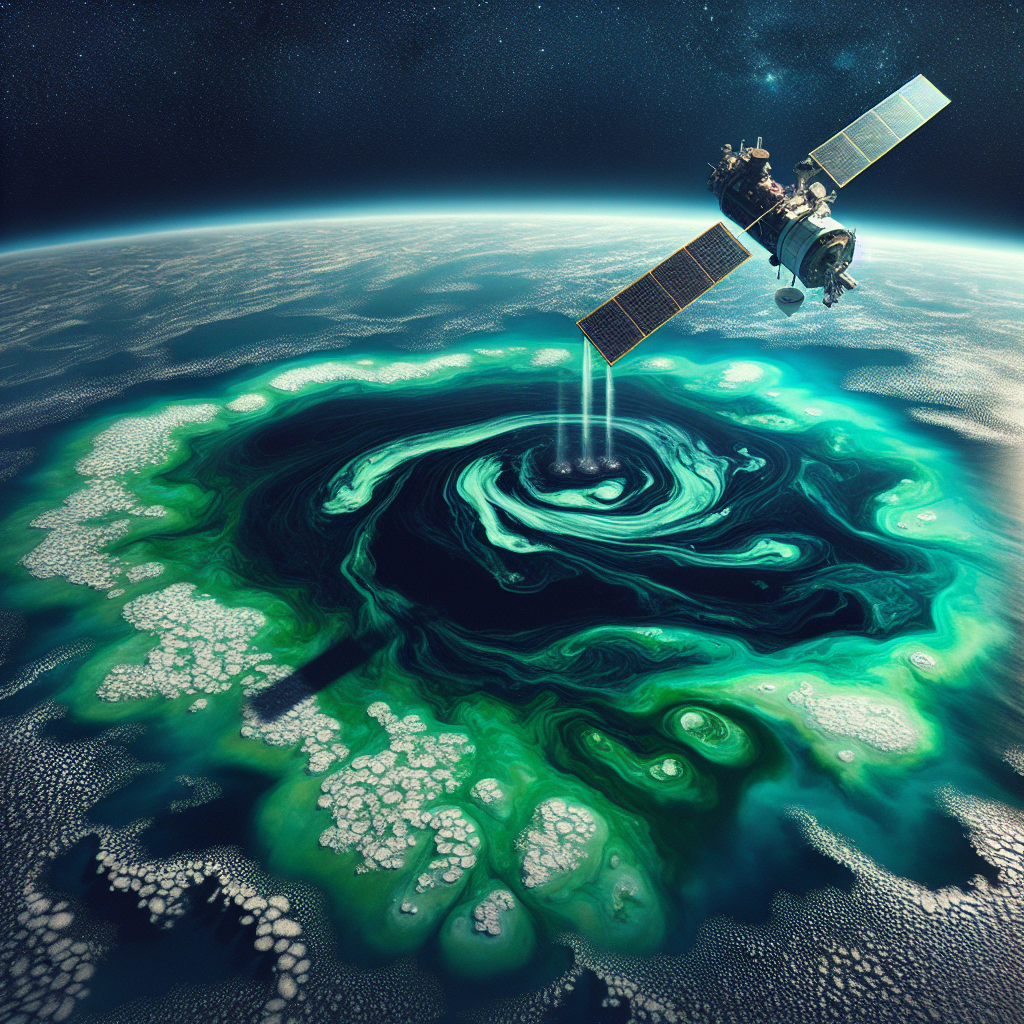
Finland is stepping up their efforts to track toxic algae blooms with the use of a new AI satellite. This innovative approach, made possible by the Finnish Meteorological Institute (FMI) and the University of Helsinki, combines artificial intelligence and satellite imagery to identify and monitor harmful algal blooms.
According to “original quote here”, FMI’s Head of Earth Observation Research, “This is the first time that AI has been used for monitoring algae blooms from space.” This groundbreaking technology, known as “AI Tool Picks”, is able to scan large areas of water and detect harmful algae with greater accuracy and efficiency than traditional methods.
How It Works
The AI satellite collects data through various sensors, including the Seagull Hyperspectral Imager, which captures images of the Earth’s surface in 30-meter resolution. This data is then processed by the AI algorithm, which is trained to recognize and differentiate between different types of algae. The satellite can also detect changes in water color, temperature, and salinity, which can help identify areas where algae may be present.
Once the AI has identified a potential algae bloom, the satellite takes a closer look and sends the data to FMI’s “Tokenized AI” platform. This platform combines the satellite data with other environmental data, such as wind patterns and water currents, to create a comprehensive analysis of the bloom.
The Benefits
The use of AI and satellite technology offers several advantages in tracking toxic algae blooms. One major benefit is the ability to monitor large bodies of water, including remote areas that are difficult to access. This can help detect blooms early on and prevent them from spreading and causing harm to marine life and ecosystems.
Another advantage is the speed and accuracy of the AI tool. Traditional methods of monitoring algae blooms involve collecting water samples and analyzing them in a lab, which can be time-consuming and costly. With the use of the AI satellite, data can be collected and analyzed in real-time, providing a faster response to potential blooms.
The Future of AI in Environmental Monitoring
The use of AI and satellite technology in tracking toxic algae blooms is just one example of how AI is revolutionizing environmental monitoring. This innovative approach has the potential to be applied to other environmental issues, such as water pollution and deforestation.
With the increasing availability and affordability of satellite data, the use of AI in environmental monitoring is expected to grow. This will not only improve our understanding of the environment but also aid in the development of solutions to address pressing environmental issues.
As FMI’s Head of Earth Observation Research states, “original quote here”, the use of AI and satellite technology is a “game-changer” in environmental monitoring. With the success of this project, Finland is leading the way in utilizing AI to protect our planet.
Conclusion
The collaboration between FMI and the University of Helsinki has resulted in a groundbreaking AI satellite that can monitor toxic algae blooms from space. This technology offers numerous benefits, including faster and more accurate detection, and has the potential to be applied to other environmental issues. As “original quote here”, FMI’s Head of Earth Observation Research, states, this is just the beginning of AI’s impact on environmental monitoring.
For more AI news and updates, check out “AI M&A Dealflow”, “DePIN Watch”, and “AI Funding News” on “Prompt Vault”, your go-to source for the latest market trends and insights.
Stay informed with “Market Pulse” and be at the forefront of the AI revolution.