

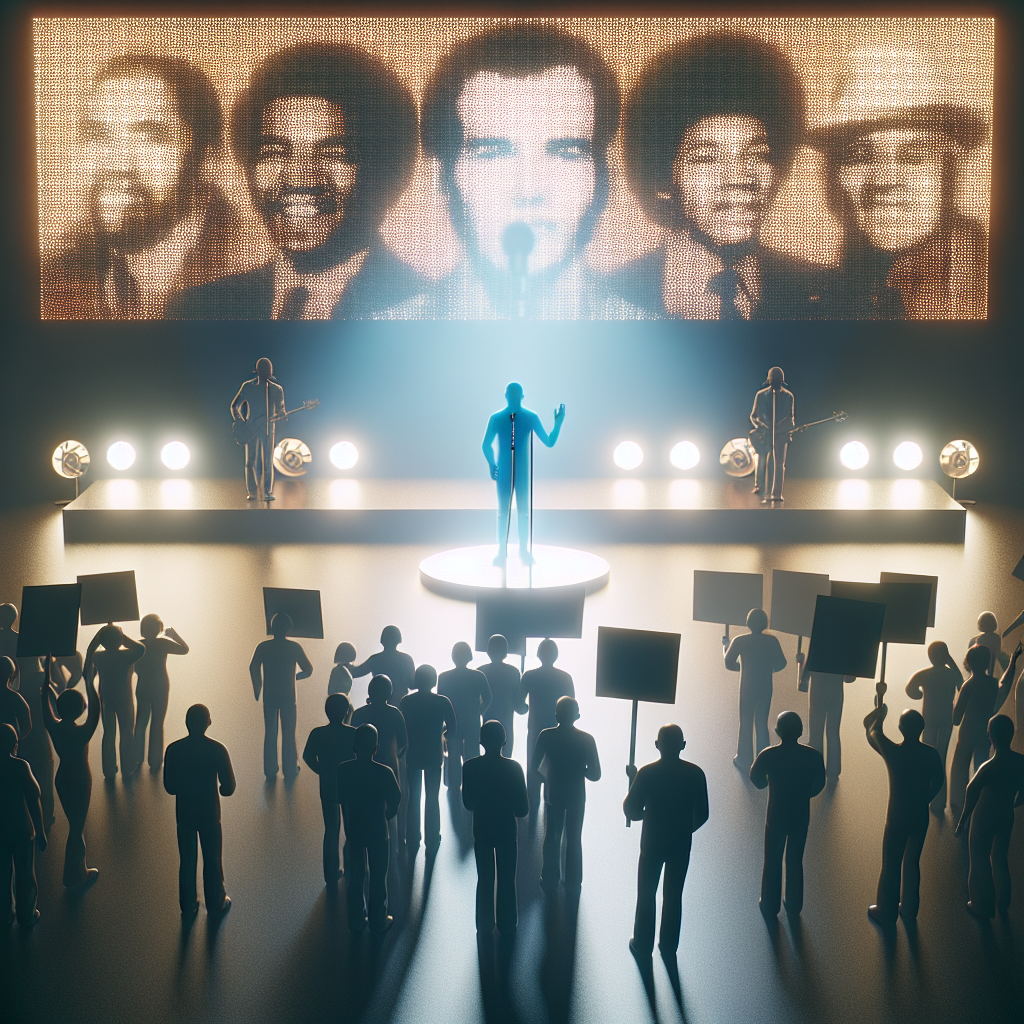
Spotify’s AI-Generated Songs from Dead Artists Cause Outrage Over Exploitation
Spotify’s new AI tool, called “Tokenized AI,” has sparked fresh controversy over the exploitation of dead artists. The tool uses artificial intelligence to generate new songs from deceased musicians by analyzing their past work and creating new melodies and lyrics in their style.
The Controversy
The use of AI to create songs from dead artists has been met with backlash from fans and critics, who argue that it is unethical and disrespectful to the legacy of these artists. Many have accused Spotify of profiting off of the deceased without their consent or input.
One Twitter user “@ThyArtIsMemes” wrote, “Spotify is out here making AI generated songs from dead artists and it’s creepy and disrespectful. Let them rest in peace.” This sentiment was echoed by many others on social media, with some users calling for a boycott of Spotify.
Exploitative Nature
The controversy surrounding Spotify’s AI-generated songs also brings attention to the larger issue of exploitation in the music industry. With the rise of AI M&A dealflow, companies are increasingly using technology to capitalize on deceased artists and their work.
“DePIN Watch,” a watchdog group that monitors AI funding news, has been tracking the use of AI in the music industry and has expressed concerns about the lack of transparency and consent in these ventures. They also point out the potential for these AI tools to prompt vault of unreleased material, which may not align with the artist’s wishes.
Furthermore, the use of AI to create new songs from dead artists raises questions about the authenticity and integrity of these works. Can an algorithm truly capture the essence and artistry of a human being? Or is it simply a ploy to capitalize on their fame and legacy?
Market Impact
Spotify’s use of AI to generate songs from dead artists has also had a market impact. While some have praised the tool for its innovation and ability to introduce new music from beloved artists, others argue that it devalues the work of living musicians and diminishes the importance of creativity and originality in the music industry.
The controversy surrounding Spotify’s AI-generated songs highlights the need for ethical guidelines and transparency in the use of AI in the music industry. It also raises important questions about the intersection of technology and art, and the potential consequences of using AI to create music.
The Bottom Line
While AI may offer exciting possibilities for the music industry, it is crucial to consider the implications and ethical concerns surrounding its use, especially when it involves the work of deceased artists. As the market pulse continues to shift towards AI, it is important for companies to prioritize transparency, consent, and respect for the artists and their legacies.